





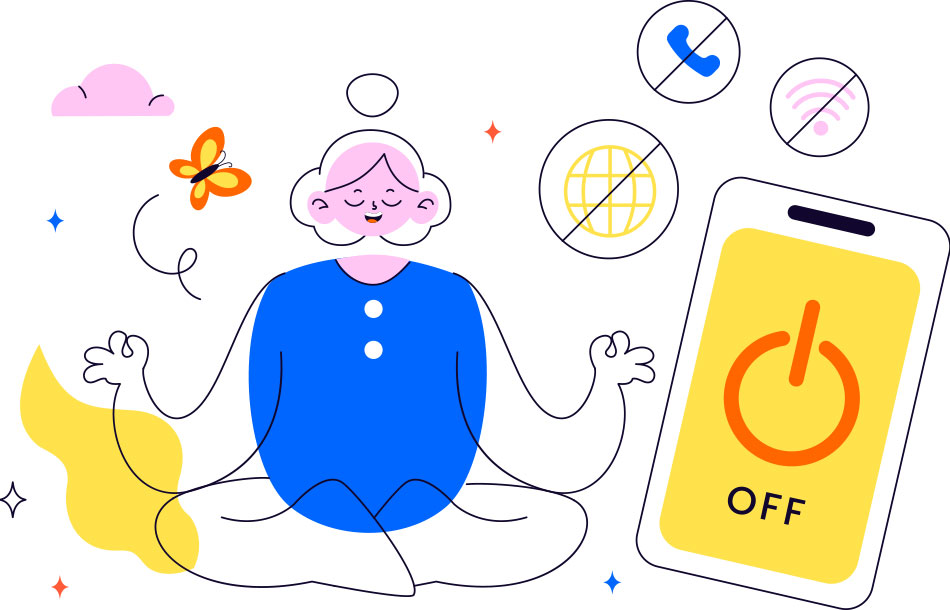
With a constant barrage of digital distractions in our everyday lives that overshadow the beauty of our surroundings, dull the richness of our experiences, and decrease the depth of our interpersonal connections, is it any surprise that going unplugged is taking hold in how we choose to travel? Taking a break from technology while traveling allows people to immerse fully in their destination, foster deeper connections with others, and better appreciate the environments they explore.
But effective unplugged travel hinges on thoughtful planning and preparation, according to Elaine Smith, Virtuoso Travel Advisor and Owner of E-destinations, an Affiliate of Travel Experts, a Virtuoso Agency. “If you’re going to be totally unplugged,” Elaine says, highlighting the need for travelers to realistically define their intended level of disconnection, “you’ve got to figure out what that looks like for you.”
While she advises setting up out-of-office messages and ensuring that someone can manage any urgent matters that may arise back home, professionals like Elaine use the AXUS travel app to provide clients with all their necessary trip information. She describes the app as having “eliminated the need for traveling with a booklet or a binder,” but relying on AXUS also means that all vital documents and support are only available to travelers in electronic form — making it an ironic example of the inherent barriers to purposeful disconnectedness in our hyper-connected world.

Elaine Smith (contributed photo)
Balancing connectivity and disconnection is a challenge for travelers seeking to unplug while continuing to manage their typical responsibilities. Elaine reflects on this tension by sharing that while many people want to disconnect from work, they often feel compelled to maintain some level of connectivity while they travel, especially on social media or through sharing vacation photos.
“A lot of clients are like, ‘What about the internet?’” she says, acknowledging that the expectation or desire to remain connected can lead to anxiety while traveling and create a pressing demand to catch up when they return. “It becomes a little bit more stressful if you haven’t kept up in some small way,” she says about the burden to stay online.
The influence of destination on the unplugged travel experience is also significant, as certain locations naturally encourage disconnection. Elaine references Bhutan and other emerging destinations, such as those found in Africa, as examples of places that naturally offer fewer technological distractions. This lack of connectivity can provide travelers with the opportunity to fully immerse themselves in their surroundings without having to take steps — such as checking their phone at designated times — or make decisions regarding technological connectivity. She also notes that some hotels foster environments conducive to unplugging with “device-free” zones that serve as a courtesy to other guests.
Unplugged travel fosters meaningful social connections by allowing travelers to engage more deeply with the people they encounter without the limiting presence of a screen between them. Elaine emphasizes the advantage of disconnecting: “If you take the opportunity to unplug, I think you will have a richer experience.”

She also says being present can lead to spontaneous interactions, sharing, “You might be sitting next to someone just waiting for your plane and strike up a conversation.” This sentiment underscores the idea that unplugging can break down barriers, inviting authentic exchanges that might otherwise be missed in a digitally distracted state.
Personalized travel experiences are essential for creating meaningful unplugged journeys that cater to individual preferences and needs. Elaine emphasizes the importance of understanding her clients, as it helps her identify what type of experience would be most suitable, even if it’s not fundamentally an unplugged trip but more of a wellness retreat or adventure in a remote locale with spotty (but existent) Wi-Fi.

The future of unplugged travel appears promising as more people recognize the benefits of disconnecting in an increasingly digital world. Coinciding is the growing interest in wellness and mindfulness retreats — the broader cultural movement that prioritizes mental well-being and authentic connections over constant connectivity — with Elaine sharing, “The spa-type vacation would be inclusive of unplugging.”
As travelers increasingly seek out destinations and experiences that promote digital disconnection, the travel industry will likely adapt to meet this demand by offering more opportunities and incentives for mindful engagement with nature and local cultures, even if the trip isn’t entirely offline.
Unplugged travel represents a vital counterbalance to our fast-paced, tech-driven lives. By stepping away from screens, travelers can embrace the opportunity to reconnect with themselves, their surroundings, and the people they meet along the way. After all, a digital detox isn’t confined to our daily lives!
e-destinations.us
travel-xperts.com/elaine-smith
virtuoso.com/advisor/elainesmith/travel/

- Mountain Air
- Escape to Edenton
- Recipes from Readers: Harira Moroccan Ramadan Stew
- Legendary Lunches
- Celebrated Spirits: The Ethan 2.0
- Garden Adventurer: Better Witches
- The Call to Disconnect
- Out & About in Wake County: January/February 2026
- Pay It Forward: Raleigh Stroll Club
- Wondrous Whimsy
- Small Business Spotlight: Fleet Feet Raleigh-Morrisville